FACE
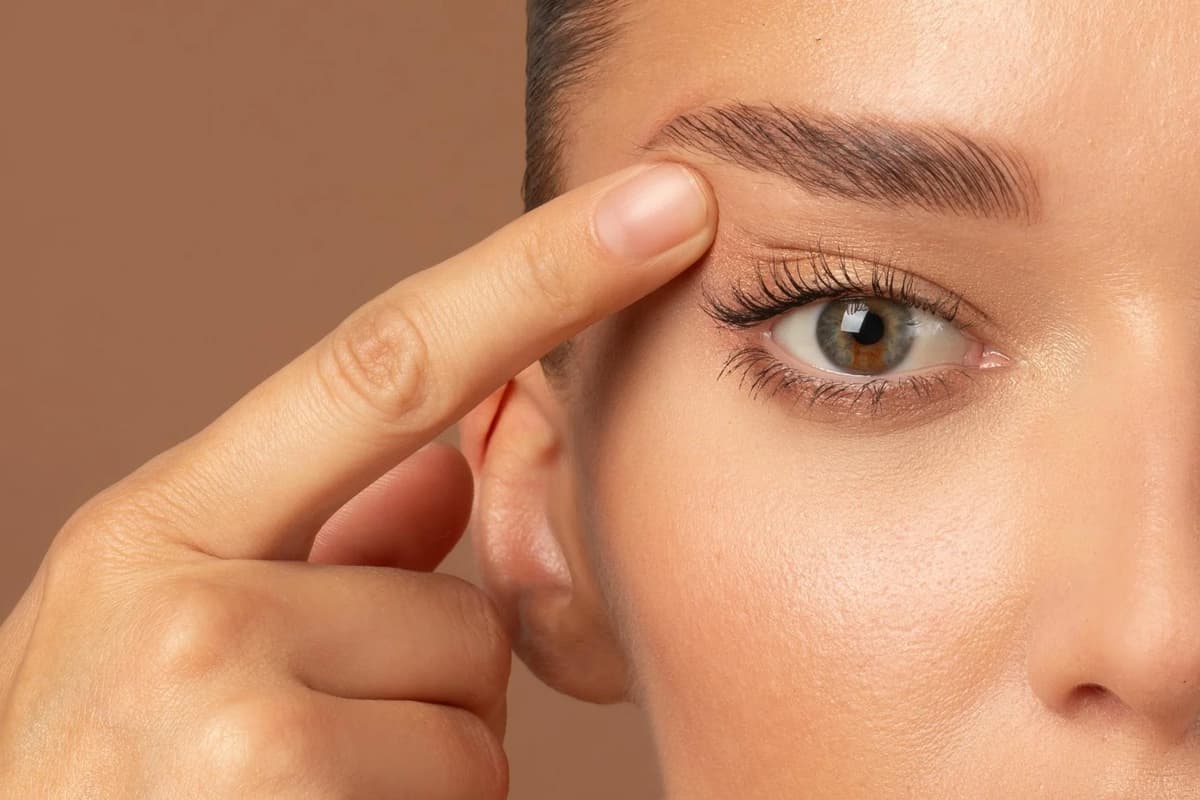
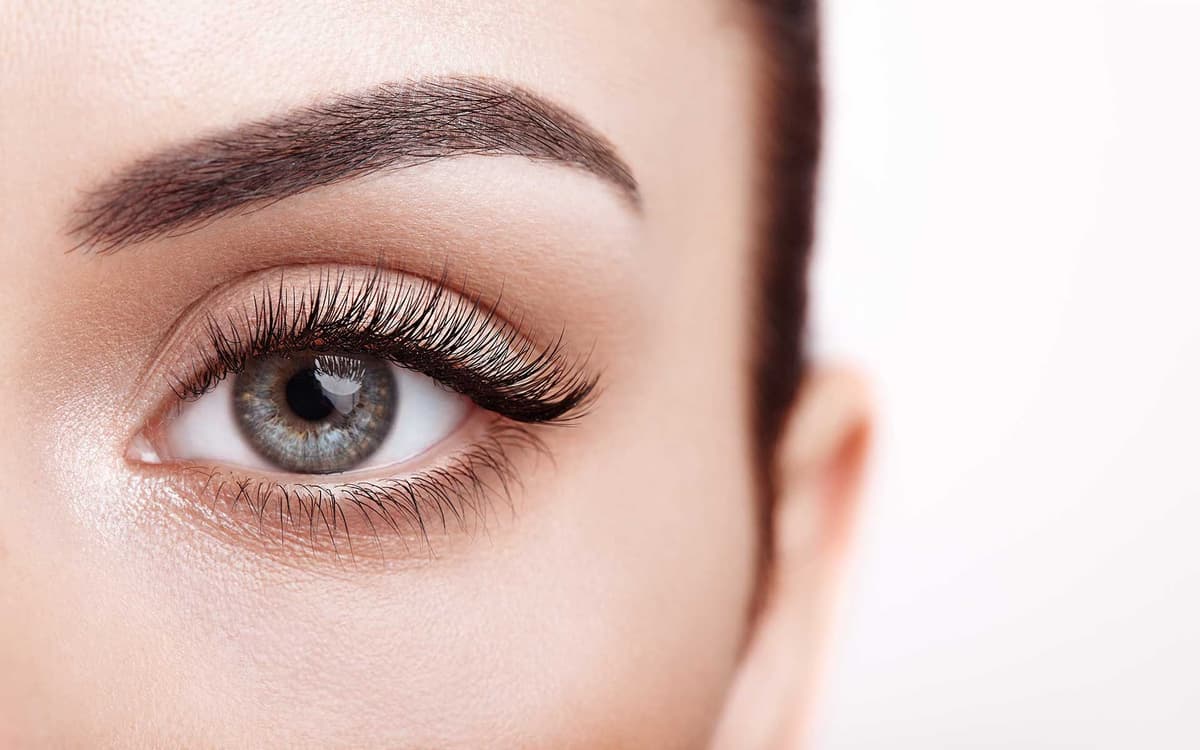
Eyebrow Lift
Brow lift in Istanbul — surgical repositioning of descended eyebrows through temporal, endoscopic or direct technique depending on anatomy. Often combined with upper blepharoplasty when both are indicated. Medical oversight Dr. Güleş, JCI-accredited hospitals. All-inclusive package from €1,850.
from €3,200 All-inclusive
Trusted by 10,000+ international patients
JCIAccredited Hospitals
T.C.Ministry of Health Licensed
ISAPSBoard-Certified Surgeons
4.9 ★Trustpilot · 1,200+ reviews
15+ yrsYears of Experience
8,000+Procedures Performed
Get Your Free Consultation
Our medical team will review your case and send you a personalized treatment plan within 24 hours.
Global Price Comparison
Save up to 78% in Istanbul
Typical all-inclusive prices by country. Sources: ASPS, RealSelf, major UK/US clinic rate sheets, 2025.
🇹🇷
Turkey (Istanbul)
from €3,200
save 78%
🇬🇧
United Kingdom
from €12,000
🇺🇸
United States
from €14,500
🇮🇹
Italy
from €9,500
🇩🇪
Germany
from €10,000
Duration
1–2 hours
Anesthesia
Local + sedation
Hospital Stay
Day procedure
Back to Work
7–10 days
Recovery Time
1–2 weeks
Results Visible
1–3 months
Brow lift — surgical repositioning of the eyebrows — restores a rested, alert upper face by correcting brow descent that has occurred with age. It is one of the most frequently missed diagnoses in the upper-face consultation: many patients who present asking for upper eyelid surgery actually have a brow-descent problem, and a clinic that performs only blepharoplasty gives them a partial result. At consultation we assess the upper face as a whole and tell you honestly which operation — or which combination — is right for your case.
Brow descent typically begins in the early forties and progresses steadily thereafter. The brow, which at twenty sits well above the orbital rim, gradually slides downward — producing a heavy upper lid appearance, lateral hooding, and the "tired" or "severe" expression that patients often describe. Non-surgical treatments (botox, a little filler, energy-based lifting) can modestly elevate the brow by a few millimetres, but they cannot reverse established descent once the skin and fascia have loosened.
Who brow lift is suitable for
The right candidate has visibly descended eyebrows, with the medial head of the brow sitting close to or below the orbital rim and/or the lateral tail sitting below the medial head; a tired, heavy, or severe upper-face appearance that does not resolve with rest; asymmetry between the two brows; an upper face where the brow descent is the main ageing signature (as opposed to crepey upper-lid skin alone, which would be a bleph-only case); and — for the scar-containing techniques — a hairline or forehead configuration that can hide the incision.
We also frequently see patients who need both upper blepharoplasty and brow lift. In those cases, performing only the bleph reduces lid heaviness but leaves the brow still low — producing a "half-done" appearance. Performing both in the same session under the same anaesthesia is the right approach.
The three techniques — which one for you
Brow lift is not one operation. It is three, each with different incision patterns, recoveries, and durability profiles. A serious consultation tells you which one your case requires — not a single "house technique" applied to every patient.
Temporal brow lift
Addresses only the lateral portion of the brow (the outer half). The incision is small, hidden in the temporal hairline. Recovery is fast and the scar is well-hidden. This is the right technique for patients whose descent is primarily lateral — common in patients over 45 with an otherwise acceptable medial brow position. It is the most anatomically conservative of the three techniques and the one we recommend most often.
Endoscopic brow lift
Addresses the entire brow via 3–5 small incisions hidden in the scalp. The endoscope allows access without an open forehead incision, and the scars are invisible inside the hair. Durability is moderate — the brow may descend again slightly over five to ten years, requiring a revision. Recovery is fast. The right technique for patients with generalised (not only lateral) descent and with a hairline position that allows concealment.
Direct brow lift
A skin-excision technique with a visible scar placed directly above the brow hair (following the upper brow line). The most durable technique — the brow position is anchored permanently. The scar is visible to some extent, especially in the first year, and is the right choice primarily for patients with pronounced forehead lines where the scar can hide in an existing crease, for patients with thinning hair or bald scalp (where endoscopic scars would be visible), or for severe asymmetries requiring very precise side-by-side correction.
At consultation we assess your anatomy and explain which of the three is right for your case. We do not default to the most dramatic — nor do we default to the least. The right technique is matched to the tissue.
The male brow lift
Male brow-lift patients require a specific approach. The male brow sits lower than the female brow by nature — lifting too high produces a feminised, surprised expression that men specifically do not want. The male brow lift is conservative: a few millimetres of lift, preserving the horizontal brow line, no lateral arch. We perform male brow lift regularly and the technique differs from the female approach — we explain this explicitly at consultation.
Combining with upper blepharoplasty
When upper-lid heaviness and brow descent coexist, the right approach is usually both operations in the same session under the same anaesthesia. Performing only the bleph leaves the brow low and produces a "didn't quite fix it" result. Performing only the brow lift may leave residual upper-lid crepe. At consultation we assess which is the primary driver and whether the second operation is indicated — we do not sell both operations reflexively, we assess.
The surgery, step by step
Performed under general anaesthesia (or under local with heavy sedation for temporal and direct techniques). Duration varies by technique: temporal, one hour; endoscopic, one and a half to two hours; direct, one hour. Day-surgery or single overnight depending on technique and combination with other procedures. In a JCI-accredited hospital, with an anaesthesiologist present.
Recovery
Week 1
Swelling and bruising concentrated in the forehead and around the eyes. Elevated head position when sleeping for the first week. Sutures removed at day six to eight (temporal and direct). Washing hair gently from day four. This is the week you will not want to be seen.
Weeks 2–4
Bruising resolves progressively; concealer over residual discolouration from day ten. Return to desk work is realistic from day seven to ten. No intense exercise, no bending or heavy lifting.
Months 2–6
Final shape settles over three to six months. Scar maturation (temporal and direct) over six to twelve months — the scars fade progressively from pink to fine white lines.
Risks and realistic expectations
Honest risks: scar visibility in direct technique (the reason it is reserved for specific indications); asymmetry between the two brows (an experienced technique largely prevents this, but small degrees can occur and require a minor revision); temporary altered sensation in the forehead and frontal scalp, usually resolving over three to six months; over-elevation producing a "surprised" expression — a specific signature of aggressive technique that we design against; and, for endoscopic, partial recurrence over years as the tissues relax.
Brow lift does not remove forehead horizontal lines (those are animated lines, addressed by botox). Brow lift does not address lower-face ageing (a different operation). Patients with generalised facial ageing are typically better served by full facelift with or without brow lift — we assess honestly at consultation.
Why Istanbul versus other destinations
Brow lift is a precision operation where the difference between "rested" and "surprised" is a few millimetres of over-elevation. Our surgeons perform upper-face surgery weekly, in JCI-accredited hospitals, with conservative technique selection and pre-operative photographic planning.
**Dr. Mustafa Ekrem Güleş** approves every patient clinically before surgery.
Why not the €700 brow lift
On brow lift, the rock-bottom price is paid in over-elevated "surprised" expressions, visible scars (when the wrong technique is chosen for the wrong anatomy), and early recurrence. A clinic quoting brow lift at €700 often performs a single-technique house approach on every patient, skips pre-operative brow-position measurement, and has no post-operative follow-up protocol.
What you pay for with us is verifiable: technique matched to your anatomy (temporal, endoscopic, or direct), pre-operative photographic brow-position measurement, conservative elevation calibrated to your face, JCI-accredited hospital, follow-up at 1, 3, 6 and 12 months via WhatsApp in English.
English-speaking team — from first message to twelve-month follow-up
Our team replies in English on WhatsApp, phone and email. From the first photo-based assessment to the twelve-month review, your contact is consistent and English-speaking.
Request your free quote — our team replies in UK/IE business hours and in a second window covering US Eastern through Australian morning. Photo-based pre-assessment on the same day.
What's Included
VIP airport transfer (pickup & drop-off)
Accommodation in 4-star partner hotel
Professional translator with 24/7 support
All hospital and surgery fees
Pre-operative blood tests & medical consultation
Anesthesia (general or local as required)
Post-operative medications & aftercare kit
1-year follow-up consultations
Dedicated WhatsApp patient coordinator (24/7)
Not Included
International flights to and from Istanbul
Additional hotel nights beyond the package
Personal expenses (minibar, spa, shopping)
Real Results
Before & After
Frequently Asked Questions
How long does an eyebrow lift surgery take?
An eyebrow lift typically takes 1 to 2 hours, depending on the technique used (endoscopic, temporal, or mid-forehead) and complexity.
What is the recovery period for an eyebrow lift?
Most patients return to normal activities within 7-10 days. Strenuous exercise should be avoided for 3 weeks to allow incisions to heal properly.
Where are eyebrow lift incisions placed?
Incisions are typically placed in the hairline or within the hair-bearing scalp, making them virtually invisible once healed.
How much does eyebrow lift cost in Istanbul?
An eyebrow lift in Istanbul costs €2,000 to €3,500, much lower than comparable procedures in Europe while maintaining excellent surgical standards.
How long do eyebrow lift results last?
Results typically last 7-10 years. The aging process continues, but the raised brow position is maintained much longer than non-surgical treatments.
Can I combine eyebrow lift with facelift?
Yes, eyebrow lift is frequently combined with facelift for comprehensive facial rejuvenation. Combined procedures can be performed during one surgery with coordinated recovery.
What are the risks of eyebrow lift surgery?
Risks include temporary forehead numbness, hair loss around incisions, and asymmetry. These are minimal with an experienced surgeon and typically resolve within weeks to months.
Related Procedures

Deep Dive
All articles →Further Reading
Rhinoplasty
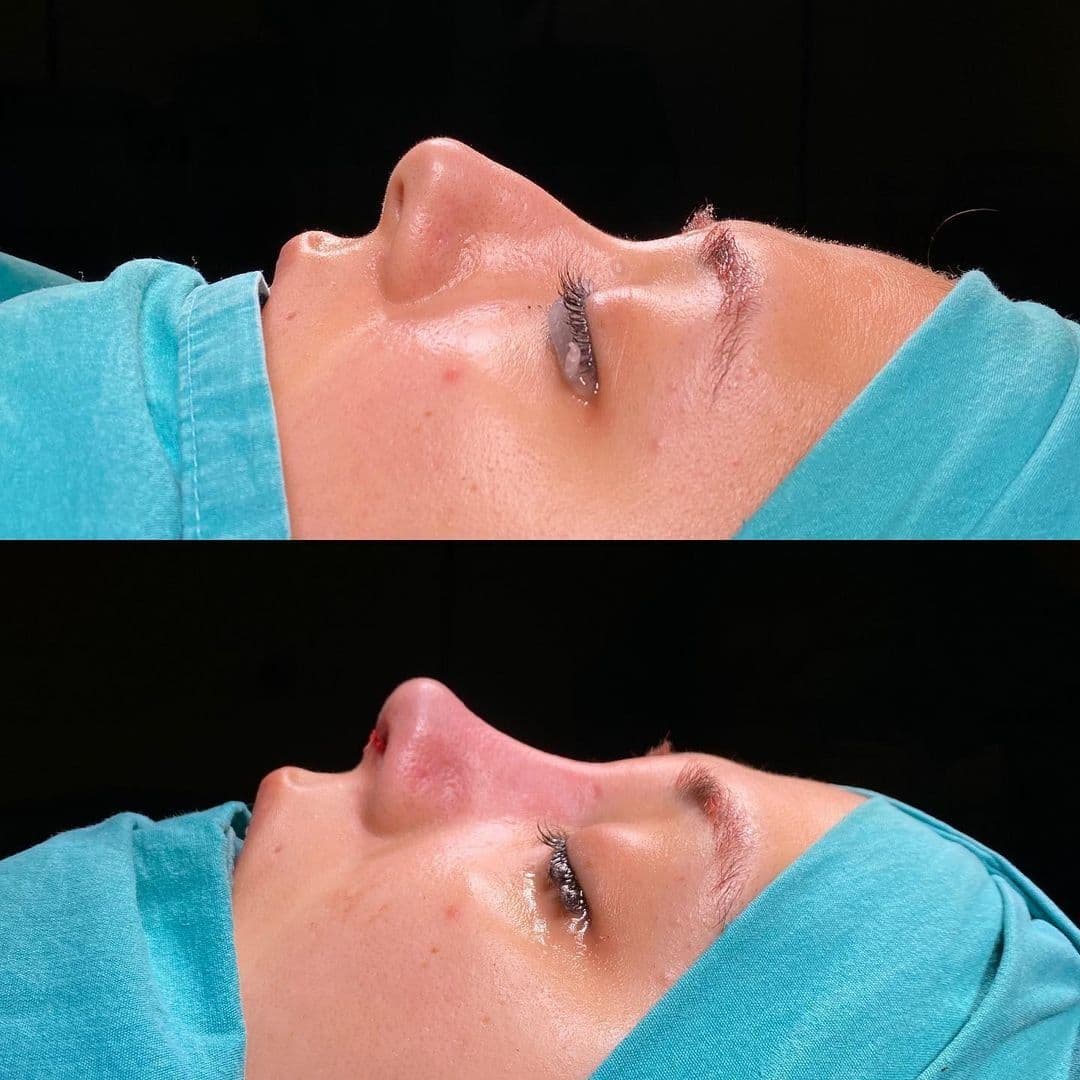
Rhinoplasty in Istanbul: Complete Cost, Recovery & Results Guide
Complete guide to rhinoplasty in Istanbul including why the city is the rhinoplasty capital, surgeon expertise, costs 60-70% lower than Europe, recovery timeline, and natural results.
Rhinoplasty
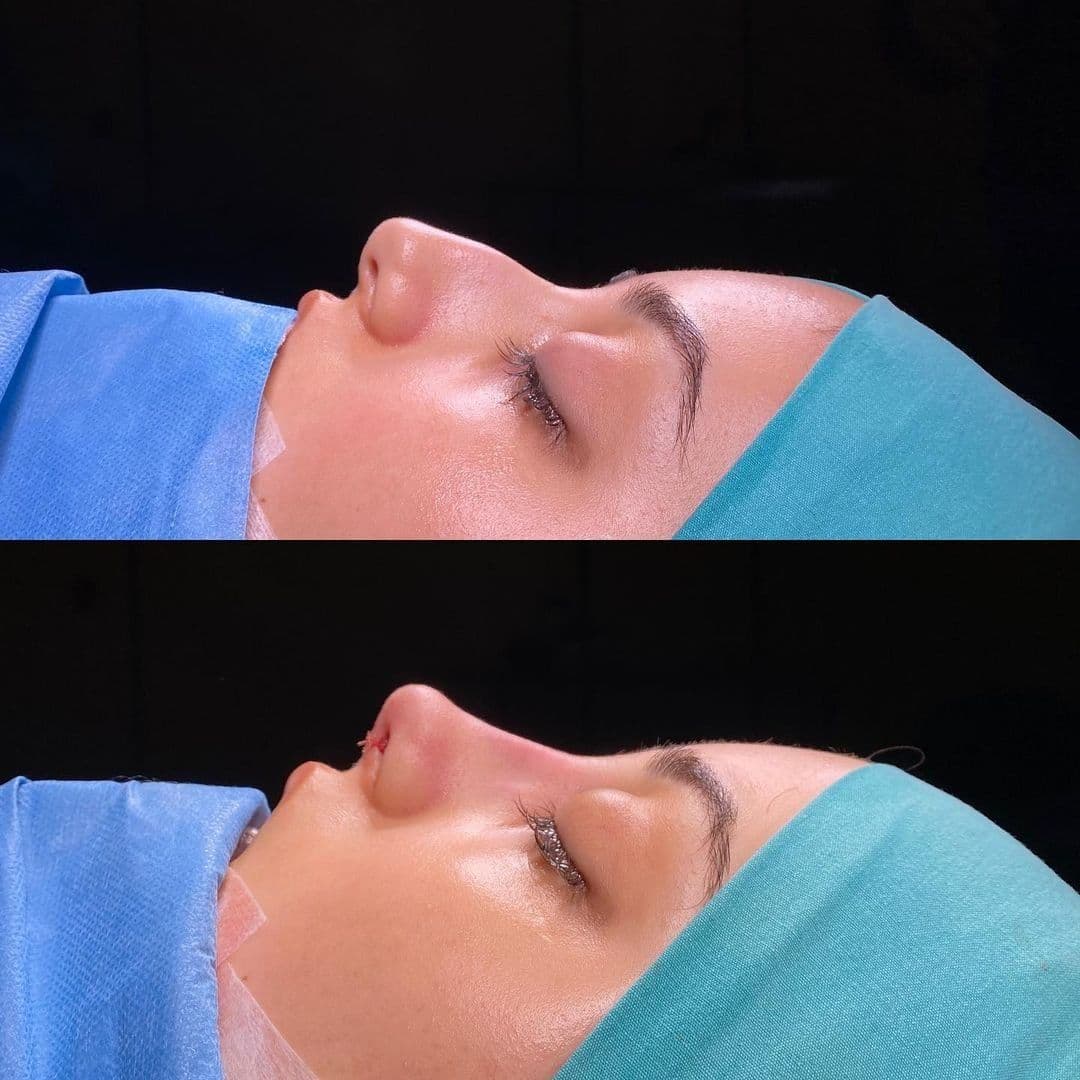
Open vs Closed Rhinoplasty: What's the Difference and Which Is Better?
Understand the key differences between open and closed rhinoplasty techniques, including scarring, recovery time, precision, and which is better for your specific needs.
Rhinoplasty
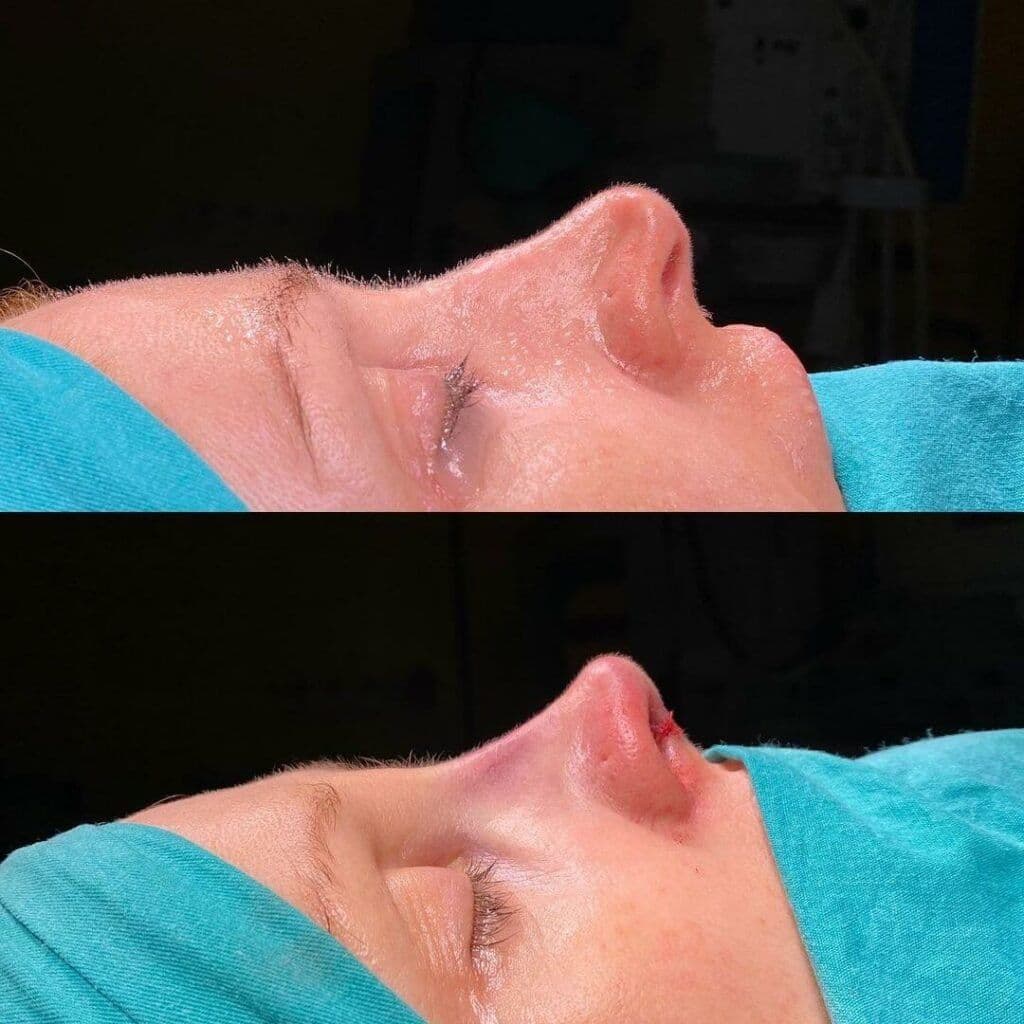
Rhinoplasty in Turkey: Is It Worth It? A Complete 2026 Guide
An honest answer to the question everyone Googles — is a rhinoplasty in Turkey actually worth it? Cost comparison, quality, risks, and the real checklist for deciding.