FACE
Rhinoplasty
Transform your nose with precision rhinoplasty in Istanbul. All-inclusive packages featuring ultrasonic and traditional techniques, performed by internationally certified surgeons in JCI-accredited facilities.
from €2,650 All-inclusive
Comprehensive Guide to Rhinoplasty and Nasal Surgery in Istanbul
Your nose is the central feature of your face, profoundly influencing overall facial aesthetics and proportions. Whether you're considering rhinoplasty for cosmetic refinement, functional breathing correction, or both, Istanbul has emerged as the world's leading destination for professional nose surgery. With over 50,000 rhinoplasties performed annually, Istanbul's surgeons combine artistic vision with technical precision to create beautiful, natural-looking results that enhance facial harmony.
UNDERSTANDING RHINOPLASTY: THE ART AND SCIENCE OF NOSE SURGERY
Rhinoplasty—commonly called a nose job—is a surgical procedure that reshapes the nose to improve appearance, correct breathing problems, or both. This is one of the most technically demanding cosmetic surgeries, requiring both artistic sensibility and surgical precision. The nose's complex three-dimensional structure—comprising bone, cartilage, soft tissue, and skin—must be carefully modified to achieve improved aesthetics while maintaining proper breathing function.
A beautiful nose is one that:
Maintains facial proportions and harmony
Features a nasal bridge neither too high nor too low relative to facial profile
Has a refined tip that projects appropriately
Shows proper nostril shape and size
Sits in correct alignment with chin and other facial features
Allows unrestricted airflow and breathing
Appears completely natural rather than obviously surgically altered
Creating these outcomes while preserving function requires extensive training, experience, and surgical finesse. Turkish surgeons' high volume of procedures creates expertise unmatched in many Western countries.
SURGICAL APPROACHES: OPEN VS. CLOSED RHINOPLASTY
Rhinoplasty can be performed using two primary approaches, each with distinct advantages. Your surgeon selects the optimal approach for your specific anatomy and goals.
Closed Rhinoplasty
In this approach, all incisions are made inside the nostrils, leaving no external scars. The surgeon works through nasal passages to access and modify bone and cartilage. Closed rhinoplasty offers several advantages:
No visible external scars
Shorter surgery time (typically 1-2 hours)
Less post-operative swelling
Faster healing
Lower infection risk
Closed rhinoplasty works excellently for patients requiring moderate changes to nasal profile, tip refinement, or dorsal height reduction.
Open Rhinoplasty
In open rhinoplasty, a small external incision (columellar incision) is made across the tissue between nostrils. This allows the surgeon to lift the nasal skin and directly visualize underlying structures. Advantages include:
Direct visualization of nasal anatomy
Greater precision for complex reconstructions
Ability to perform complex tip work and cartilage grafting
Better access for significant reshaping
Improved accuracy for revision cases
The columellar incision heals beautifully and becomes virtually imperceptible. Open rhinoplasty is ideal for complex cases, extensive tip work, or patients requiring significant structural modification.
TYPES OF RHINOPLASTY PROCEDURES
PRIMARY RHINOPLASTY: COSMETIC REFINEMENT
Primary rhinoplasty addresses aesthetic concerns on a nose that has never been surgically altered. Common procedures include:
Dorsal Hump Reduction and Bridge Refinement
One of the most common rhinoplasty requests is reduction of a prominent dorsal hump—the bony or cartilaginous bump on the nasal bridge visible in profile. Dorsal hump reduction involves carefully removing excess bone and cartilage while maintaining proper support and overall nasal structure. Skilled surgeons understand that simple hump removal without proper contouring can result in unnatural appearance. The bridge must maintain proper height and smooth contours. Turkish surgeons use precise techniques to shave and refinish the dorsal contour, creating smooth, natural-looking results.
Nasal Tip Refinement and Projection
The nasal tip significantly influences overall nose appearance and facial balance. Tip refinement addresses bulbous tips, drooping tips, asymmetrical tips, or tips lacking definition. Common tip modifications include:
Bulbous tip reduction: Removing excess cartilage and tissue to refine a thick, rounded tip
Tip elevation: Repositioning drooping or ptotic tips upward
Tip deprojection: Reducing overly prominent projecting tips
Tip definition: Creating more distinct tip structure for refined appearance
Tip asymmetry correction: Balancing off-center or asymmetrical tips
Turkish surgeons excel in tip work, understanding how cartilage reshaping produces desired contours while maintaining natural appearance.
ETHNIC RHINOPLASTY: ENHANCING YOUR HERITAGE
Ethnic rhinoplasty is cosmetic nasal surgery designed specifically for patients of African, Middle Eastern, South Asian, East Asian, or Latino descent, where the surgical goals are to refine and enhance features whilst honouring the natural proportions and identity that belong to your heritage.
Unlike generic rhinoplasty templates that do not account for structural and aesthetic differences across populations, ethnic rhinoplasty is built on understanding how your nose naturally sits, how skin thickness and cartilage resilience differ by ancestry, and what changes respect your cultural identity rather than erase it.
At Estetica Istanbul, our approach begins from a simple principle: we are not fixing a problem. We are enhancing what you already are. Dr. Mustafa Ekrem Güleş and our surgical team have extensive experience with ethnic noses across all major populations, and every ethnic rhinoplasty we perform is anchored in respect for your ancestry.
Ethnic Nasal Characteristics by Population
African Heritage Noses: Often feature strong, rounded tips, wider nasal bases, and fuller structure — qualities that give character and strength to the face. Ethnic rhinoplasty typically focuses on tip refinement (sharper definition without narrowing), nostril contouring (proportioning the base to the face rather than reducing width arbitrarily), and sometimes subtle bridge work. The goal is a nose that still reads as authentically yours, just more defined. Thicker skin in African noses means that subtle changes can appear more dramatic as swelling resolves, which is why conservative planning is essential.
Middle Eastern Noses: Often feature a prominent dorsal hump and strong bridge projection; refinement may involve careful dorsal reduction with grafting to maintain natural projection.
South Asian Noses: Frequently present with a lower bridge and less tip projection — a structural difference that calls for augmentation (adding cartilage grafts) rather than removal. A South Asian patient seeking more bridge definition is strengthening an asset, not correcting a flaw.
East Asian Noses: Typically benefit from tip projection and bridge definition rather than narrowing.
Ethnic rhinoplasty begins with an extended consultation where we discuss not just the aesthetic changes you want, but what your heritage means to how you see your nose. Surgery is performed under general anaesthesia, usually via an open approach that allows precise placement of cartilage grafts and careful contouring. Grafts are harvested from the ear or rib as needed, and the procedure typically takes two to three hours. You spend one night in the clinic for observation, and your nasal cast is removed around day seven.
Because ethnic noses often have thicker skin, the final refinement can take longer than in thin-skinned patients — sometimes eighteen to twenty-four months. This is normal. We provide ongoing contact throughout this settling period so you understand what you are seeing at each stage.
REVISION RHINOPLASTY: CORRECTING PREVIOUS SURGERY
Revision rhinoplasty—sometimes called secondary or corrective rhinoplasty—is surgery performed to address the outcome of a previous nose operation. Patients arrive after one, two, or occasionally more earlier procedures, usually because the shape, breathing, or both did not turn out as hoped.
Because the anatomy has already been altered and scar tissue is in place, revision work is technically more demanding than primary rhinoplasty and calls for a surgical plan built around what is genuinely present, not what the patient started with.
At Estetica Istanbul, revision rhinoplasty is one of the most-requested procedures from international patients, particularly from the UK, Ireland, United States, Canada, and Australia. Our nasal surgeons handle each case as an individual reconstruction rather than a template, and Dr. Mustafa Ekrem Güleş reviews every revision consultation so the plan reflects what is realistic for your specific nose.
Revision cases typically address functional problems (such as a collapsed internal valve or a deviated septum that was never fully corrected), cosmetic concerns (an asymmetric tip, a visible bump, a pinched bridge, or a twisted dorsum), or both together. Many revision patients come wanting to restore natural movement and breathing as much as they want to change the external appearance.
Good candidates for revision are medically healthy, non-smoking at the time of surgery, realistic about what a second operation can achieve, and at least twelve months out from their most recent nasal procedure so tissues have fully settled. Surgery is typically performed under general anaesthesia and takes between two and four hours, depending on complexity. Our surgeons favour an open approach for most revisions because it allows direct visualisation of the tip structures and better control when placing cartilage grafts. Grafts are most often taken from the ear or from the rib when more material is needed. You spend one night in the clinic for monitoring, and the nasal cast is removed around day seven.
Our approach at Estetica Istanbul is to be conservative in what we promise. We will tell you during the initial review if we believe a particular outcome is not realistic for your anatomy, rather than committing to a plan we cannot confidently deliver.
SEPTOPLASTY: FUNCTIONAL NASAL SURGERY FOR BREATHING
Septoplasty is functional nasal surgery designed to correct a deviated nasal septum—the cartilage and bone wall that divides the left and right nasal passages. When the septum is bent or misaligned, it can obstruct airflow, cause chronic congestion, interfere with sleep, or lead to chronic sinusitis.
Unlike cosmetic rhinoplasty, where the primary goal is aesthetic improvement, septoplasty is performed to restore normal breathing function and resolve the physical symptoms that obstruction creates.
The nasal septum is the partition between your left and right nasal airway. In a small percentage of people it is perfectly straight; in most of us it is slightly off-centre. When the deviation is severe enough to obstruct airflow, it creates symptoms: chronic nasal congestion, persistent mouth breathing (especially at night), reduced sense of smell, difficulty with nasal medications or sprays, sleep disturbance, or recurrent sinus infections. A deviated septum cannot be corrected with nasal sprays or decongestants—the obstruction is structural.
Septoplasty begins with a pre-operative consultation and imaging. We typically request a CT scan of your sinuses and nasal passages so our surgeons can see exactly where the deviation lies and plan the most direct correction. The procedure is performed under general anaesthesia and typically takes forty-five minutes to ninety minutes depending on the severity and shape of the deviation. Our surgeons use an endoscopic approach, which means the work is performed through the nostril without external incisions. The bent cartilage and bone are carefully straightened, repositioned, or in some cases partially removed, to restore a straight airway.
SEPTORHINOPLASTY: COMBINING FUNCTION AND APPEARANCE
Many patients have both breathing problems from a deviated septum and cosmetic concerns about their nose. Rather than staging two separate surgeries, we commonly perform septorhinoplasty—functional and cosmetic work in a single operation. This is more efficient, requires one anaesthetic, and often produces a better aesthetic result because the surgeon can address the underlying structure and rebuild the nose's appearance at the same time. The recovery timeline is the same as a cosmetic-only procedure, and the cost is typically lower than two separate operations.
ADVANCED SURGICAL TECHNIQUES
3D Imaging and Digital Rhinoplasty Planning
Modern rhinoplasty relies heavily on 3D imaging technology for surgical planning and patient communication. Digital imaging software creates three-dimensional models of your nose and face, allowing surgeons to simulate proposed changes and demonstrate expected results.
Ultrasonic and Precision Instrumentation
Turkish surgeons employ advanced instrumentation including ultrasonic bone-cutting technology, which provides unprecedented precision in dorsal reduction and structural modification while minimizing trauma to surrounding soft tissue.
Cartilage Grafting Techniques
Complex cases often require cartilage grafts to rebuild or reinforce nasal structure. Grafts are harvested from the ear (small quantities for tip work) or rib (for more substantial structural rebuilding). This advanced technique enables revision rhinoplasties and complex ethnic rhinoplasties that would otherwise be impossible.
RECOVERY AND RESULTS
Recovery Timeline
Days 1-3: Swelling, bruising around eyes and nose, and some discomfort. Pain is generally mild and well-controlled with prescribed medication.
Days 4-7: Splint is removed at approximately day 7. Swelling and bruising peak around day 3-4 then improve. You can return to office-based work once the cast is removed and look presentable in everyday social situations.
Weeks 2-4: Swelling progressively improves. Most patients feel comfortable in public by week 2. Light exercise is usually possible after three to four weeks.
Months 2-6: Swelling is minimal. Results are obvious and natural-looking. Contact sports should be avoided for a minimum of three months.
Months 6-12: Final results are fully achieved. The nose has completely settled. For revision cases and ethnic rhinoplasties with thicker skin, full refinement can take twelve to eighteen months.
What to Expect Immediately After Surgery
Immediately after surgery, your nose will feel congested from post-operative swelling—this is normal and temporary. Most of the visible swelling and bruising around the eyes settles within the first two to three weeks. Splints or light packing are removed around day seven to day ten, and most patients report an immediate sense of improved airflow (for functional cases), even though significant swelling is still present.
True breathing function continues to improve as swelling resolves over the following two to four weeks. By six to eight weeks post-operation, you will have a clear sense of your final breathing outcome.
Risks and Realistic Expectations
All nasal surgery carries standard risks: bleeding, infection, reaction to anaesthesia, and occasionally temporary numbness in the upper lip and teeth region. Very occasionally, the corrected septum can shift slightly during healing, resulting in minor return of obstruction; revision is usually straightforward if this occurs.
Revision rhinoplasty carries all the risks of primary surgery plus the additional challenges that come with operating on previously altered tissue. The most common specific concern is that the final result takes longer to stabilise and may refine more subtly than the patient hopes. In a small number of cases, a second revision may be needed to address a persistent issue.
Specific to ethnic rhinoplasty is the importance of realistic planning. Because we are enhancing rather than transforming, the changes may be more subtle than a patient expecting a dramatic alteration might hope. Our commitment at Estetica Istanbul is to be honest about what your anatomy can sustainably achieve, rather than overpromising transformation.
PRICING: RHINOPLASTY IN TURKEY VS. OTHER COUNTRIES
Primary Rhinoplasty: €2,800-5,500 depending on complexity and technique
Ethnic Rhinoplasty: €3,900
Revision Rhinoplasty: €3,450-3,900 depending on complexity
Septoplasty (isolated): €2,400-3,200
Septorhinoplasty (combined): €3,900
Comparison with other countries:
United States: $7,000-20,000+ depending on surgeon reputation and location
United Kingdom: £5,500-15,000 ($7,000-19,000)
Western Europe: €5,500-15,000 across Germany, France, and other countries
Turkey's cost advantage—often 70-80% less than Western countries—combined with exceptional surgeons makes it an obvious choice.
What's Included in Your Package
All Estetica Istanbul rhinoplasty packages include: the surgeon's fee, general anaesthesia, theatre and hospital charges, one night in the clinic, pre-operative blood work, your post-operative checks, VIP airport transfer on arrival and departure, and an English-speaking patient coordinator throughout your stay. Hotel accommodation for six to seven nights in Istanbul is arranged separately and can be tailored to your preferences across Kadıköy and the European side of the city.
WHY ISTANBUL: THE RHINOPLASTY CAPITAL
Istanbul has become synonymous with excellence in rhinoplasty. Multiple factors contribute:
High Volume and Experience: Over 50,000 rhinoplasties performed annually creates expertise unmatched in many Western countries.
Technical Innovation: Access to advanced 3D imaging, ultrasonic instrumentation, and cutting-edge surgical techniques.
Ethnic Diversity Exposure: Surgeons work with diverse noses every day and understand that enhancing features is entirely different from erasing them.
Affordable Excellence: World-class surgery at 70-80% less cost than Western countries.
JCI Accreditation: Demonstrating safety standards equivalent to top Western hospitals.
Why International Patients Choose Estetica Istanbul
The straightforward reason most international patients choose Istanbul is that the same operations in the UK, Ireland, or the United States often cost three to five times more, and waiting lists with experienced surgeons can run into many months.
Beyond price, Turkey has developed a deep concentration of high-volume rhinoplasty surgeons—including those who take on revision cases that are often turned down elsewhere—supported by purpose-built surgical facilities and hospitality infrastructure that make the travel straightforward.
Our role at Estetica Istanbul is to make the decision itself easy. We provide honest feedback on whether we think a meaningful improvement is achievable, we do not pressure anyone to commit, and if your case is outside our comfort zone we will say so and refer you elsewhere.
Dr. Mustafa Ekrem Güleş reviews every single rhinoplasty consultation—primary, ethnic, revision, and functional—ensuring that your plan reflects what is realistic for your specific nose and anatomy.
NEXT STEPS: SCHEDULING YOUR CONSULTATION
Ready to explore your rhinoplasty options? Share your photos, describe what you would like to enhance, and tell us about your heritage or previous surgery if relevant to your goals. Dr. Mustafa Ekrem Güleş and our nasal surgery team will review your case and give you an honest assessment of what is achievable before you commit to anything.
There is no charge for the initial consultation.
Contact us via WhatsApp at +39 328 183 9946 for consultation, or reach out to our English-speaking patient coordinators. We are here to answer all your questions and guide you through every step of your journey.
What's Included
Price: €2,800-5,500 (depending on complexity and technique)
Comprehensive pre-operative consultation with experienced rhinoplasty specialist
3D imaging and digital nose simulation showing expected results
Pre-operative blood work and medical clearance
Rhinoplasty surgery by board-certified surgeon (2-3 hours)
General or twilight anesthesia with professional anesthesiologist
Nasal splint and protective dressing
Post-operative medications (antibiotics, pain relief, anti-inflammatory agents)
Detailed aftercare instructions and healing protocols
Splint removal appointment (typically day 7)
Follow-up consultations at 1 week, 1 month, 3 months, and 6 months post-op
24/7 WhatsApp support for post-operative questions and concerns
One night hospital accommodation included
Airport pickup and drop-off service
Accommodation coordination for international patients
Interpreter services if needed
Before-and-after photography documentation
Not Included
International flights
Additional hotel nights beyond one included (though discounted rates available)
Meals and local transportation
Optional cartilage grafting from rib (if required—discussed during consultation)
Travel insurance (recommended)
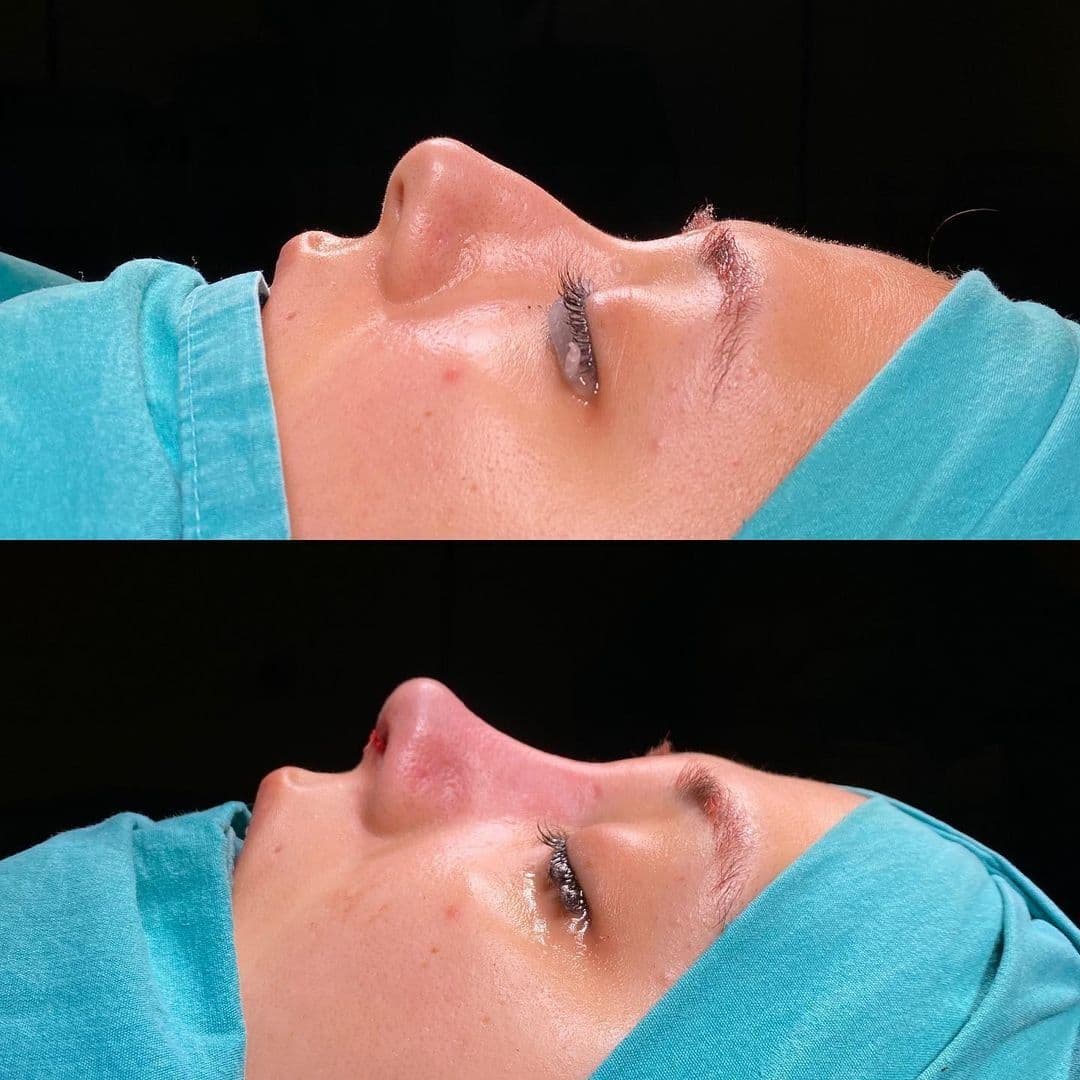
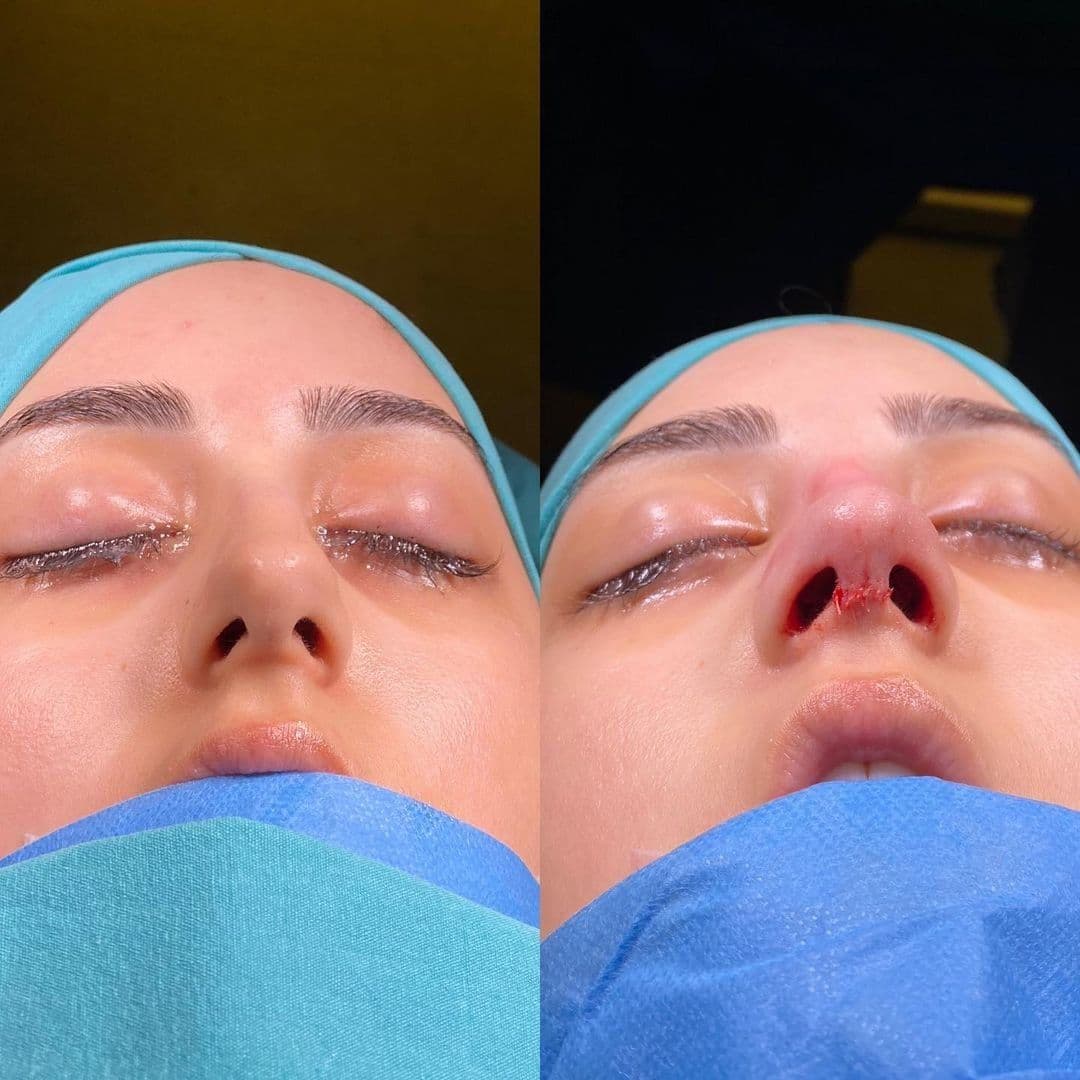
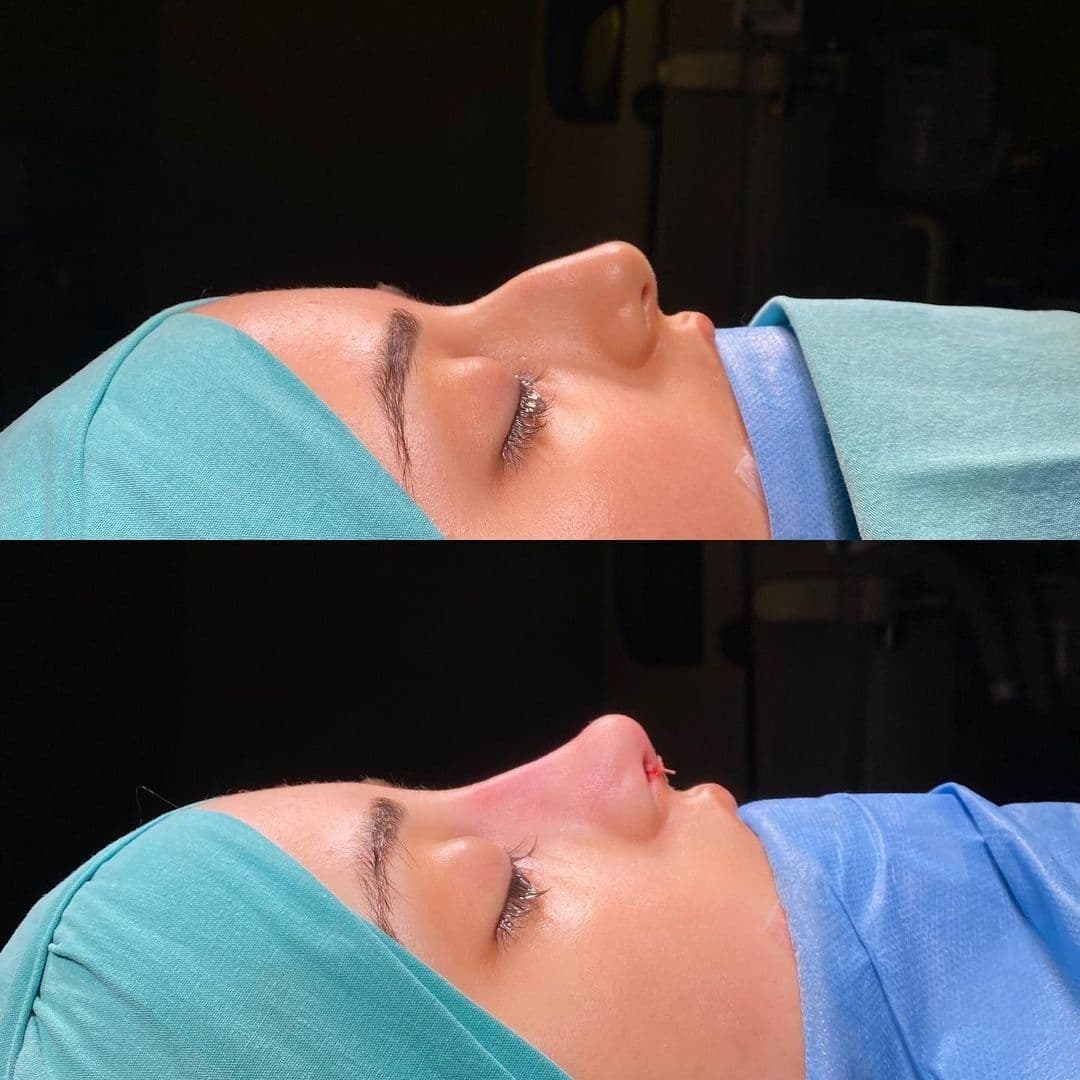
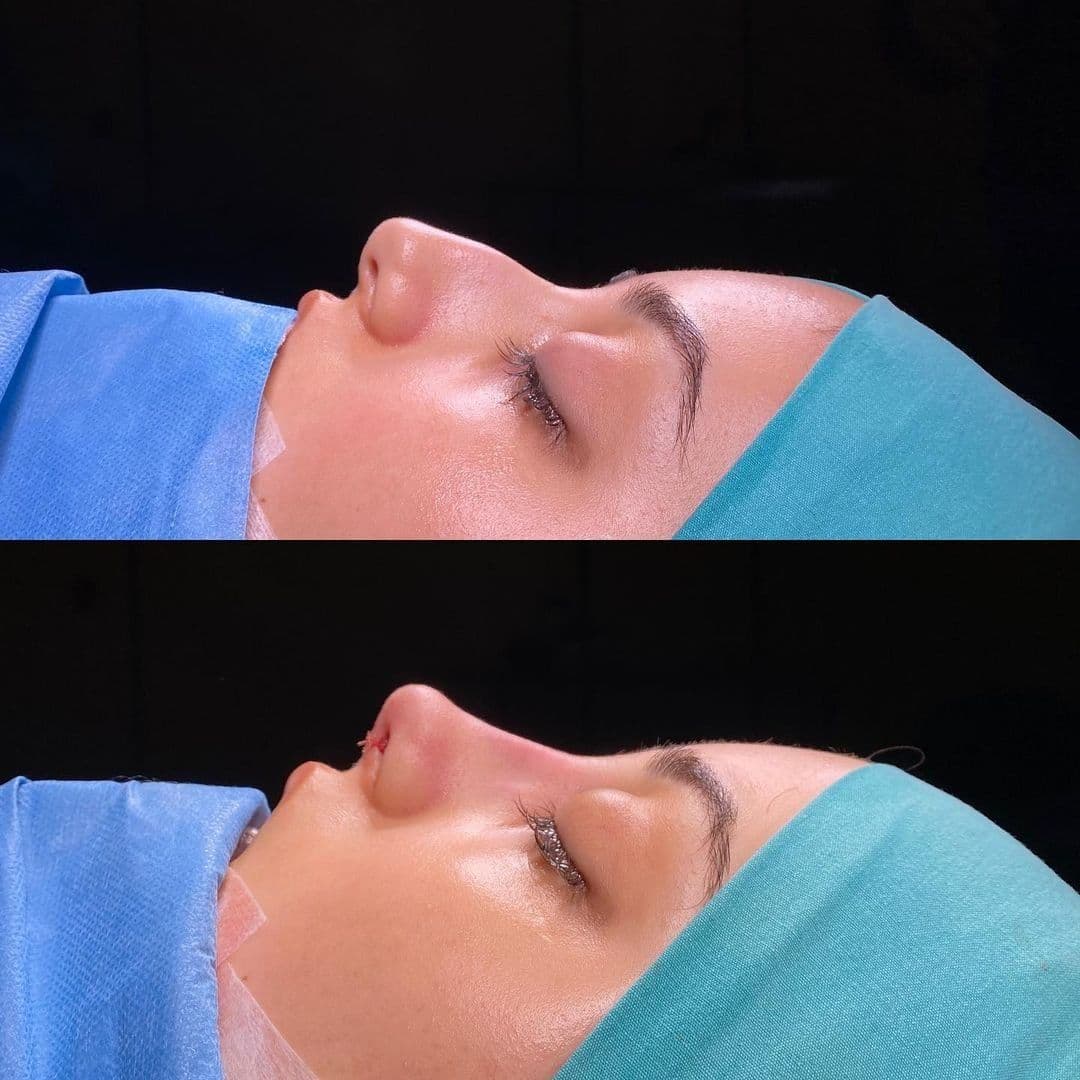
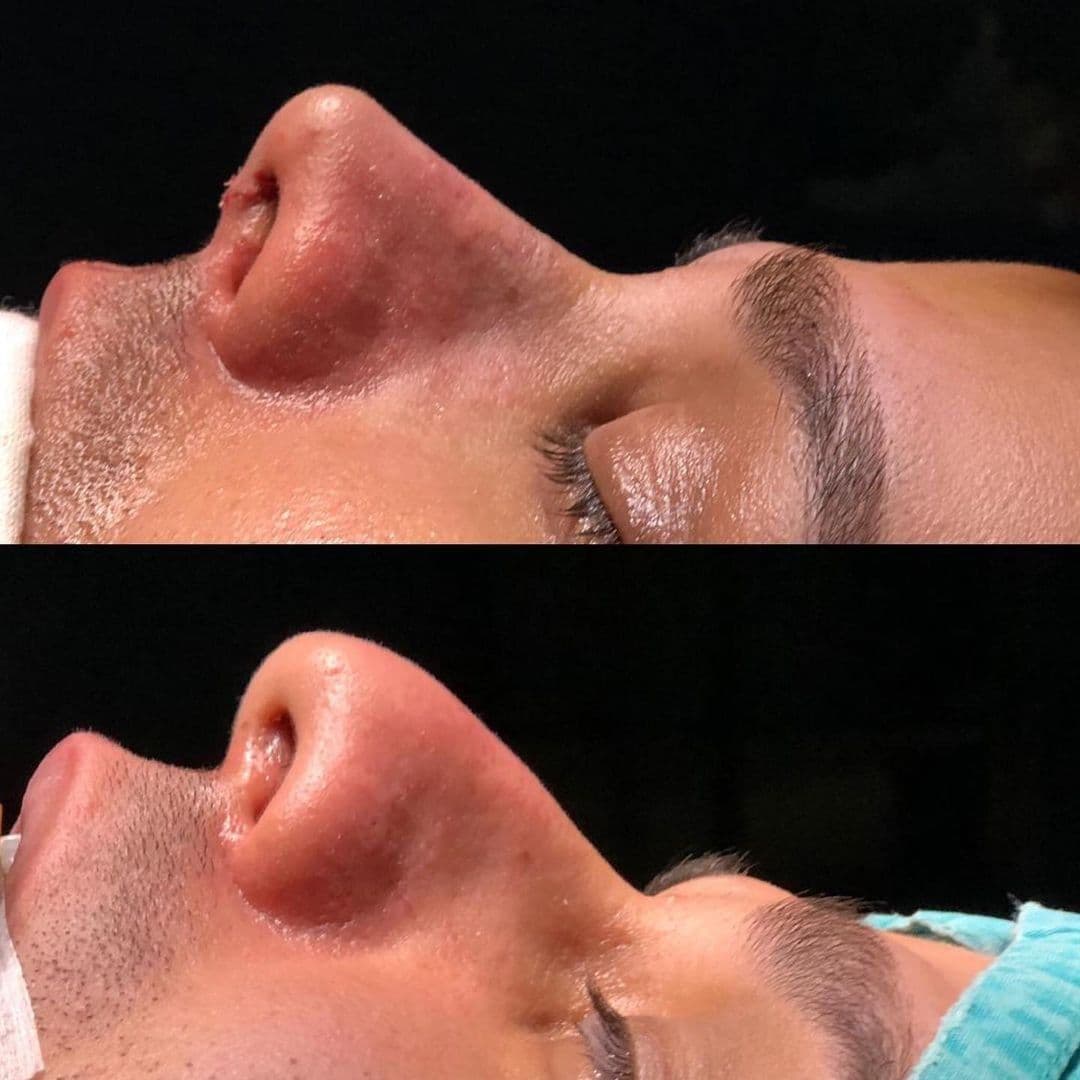
Real Results
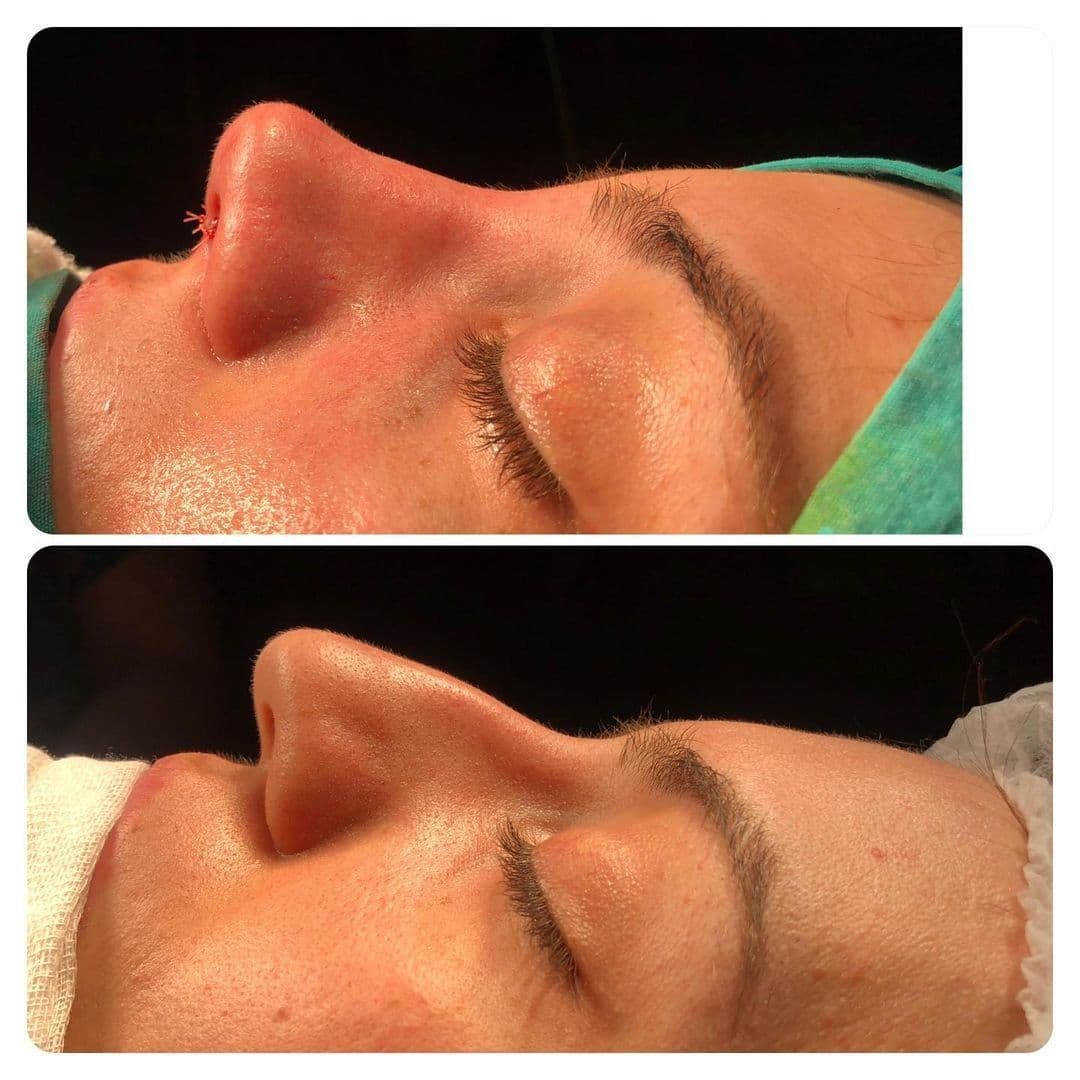
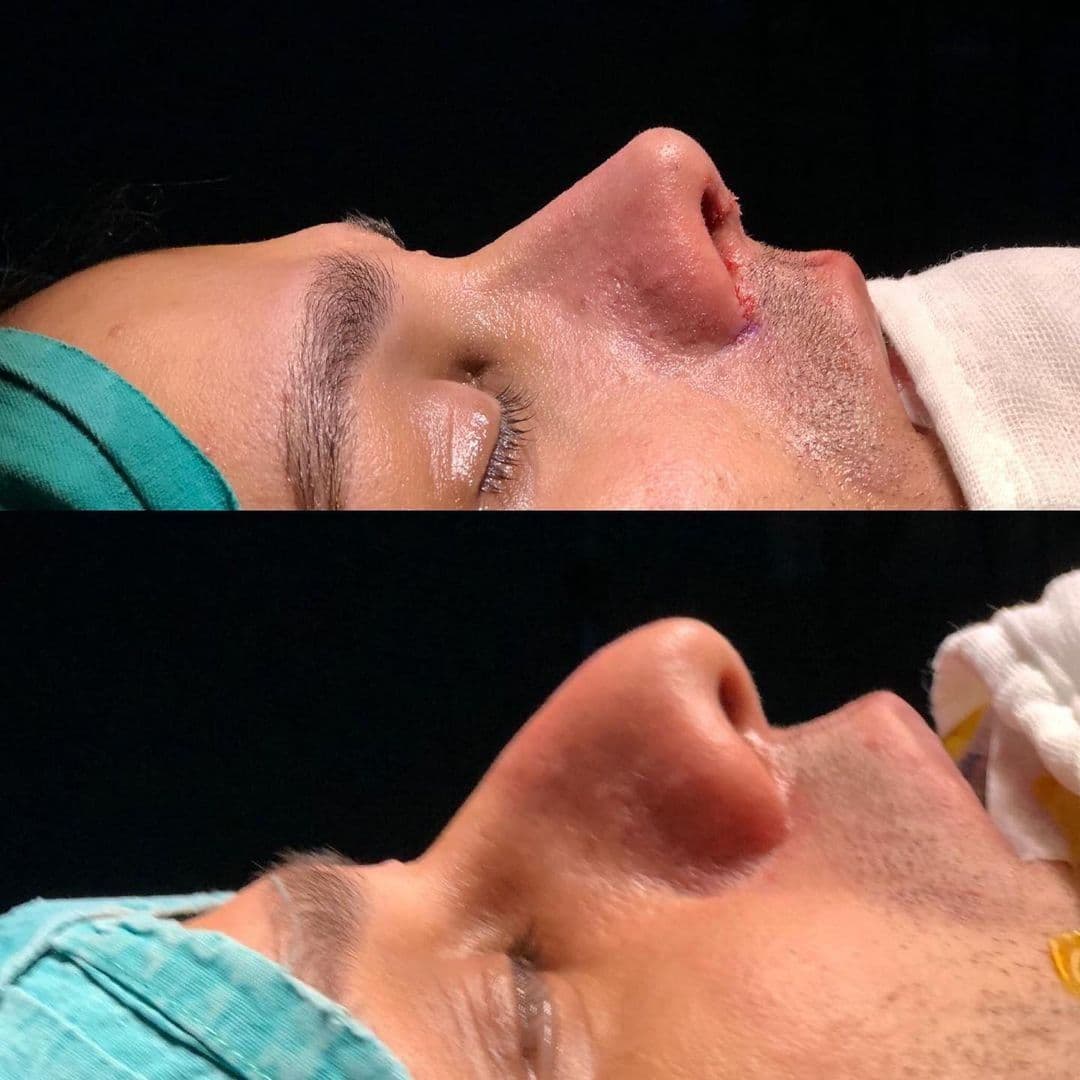
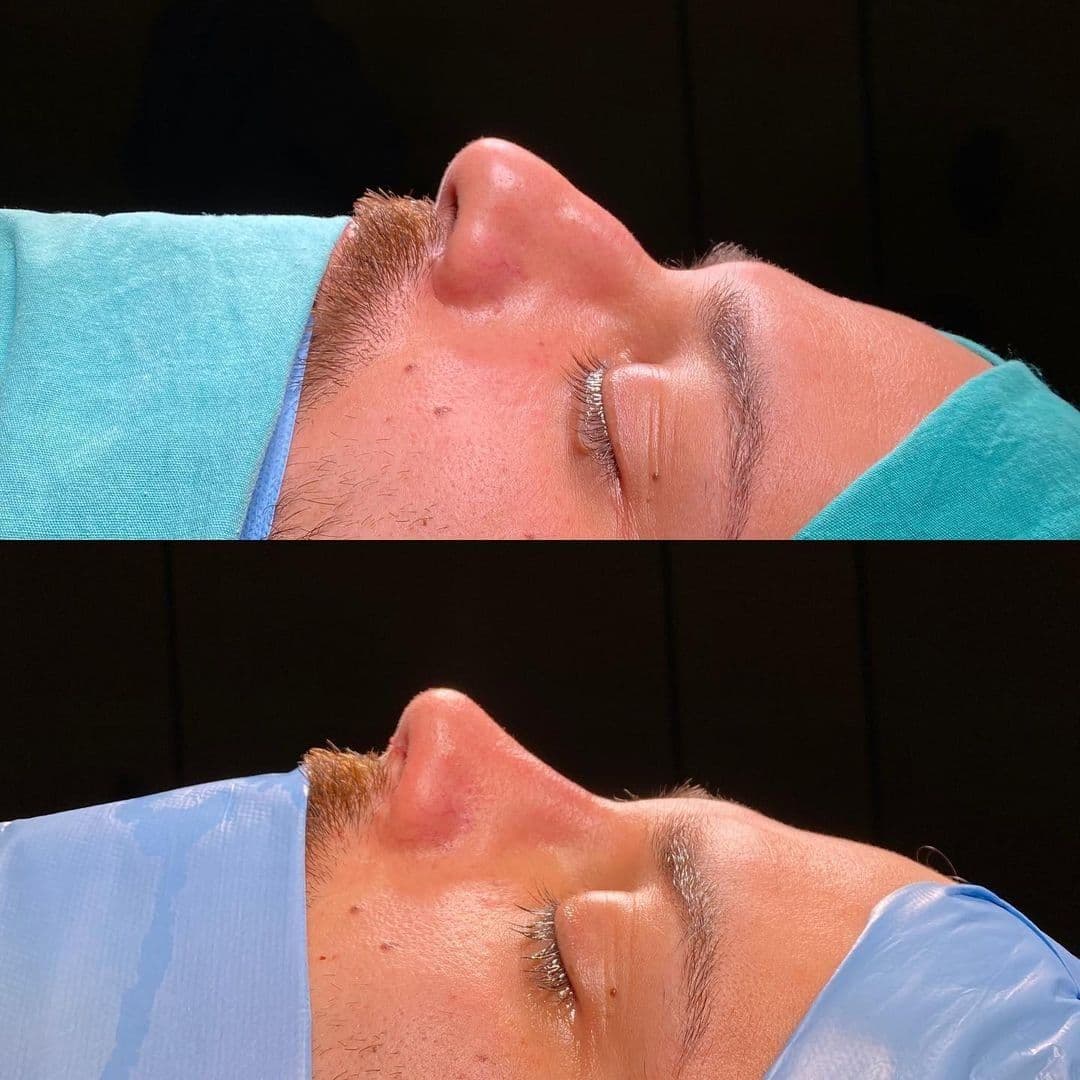
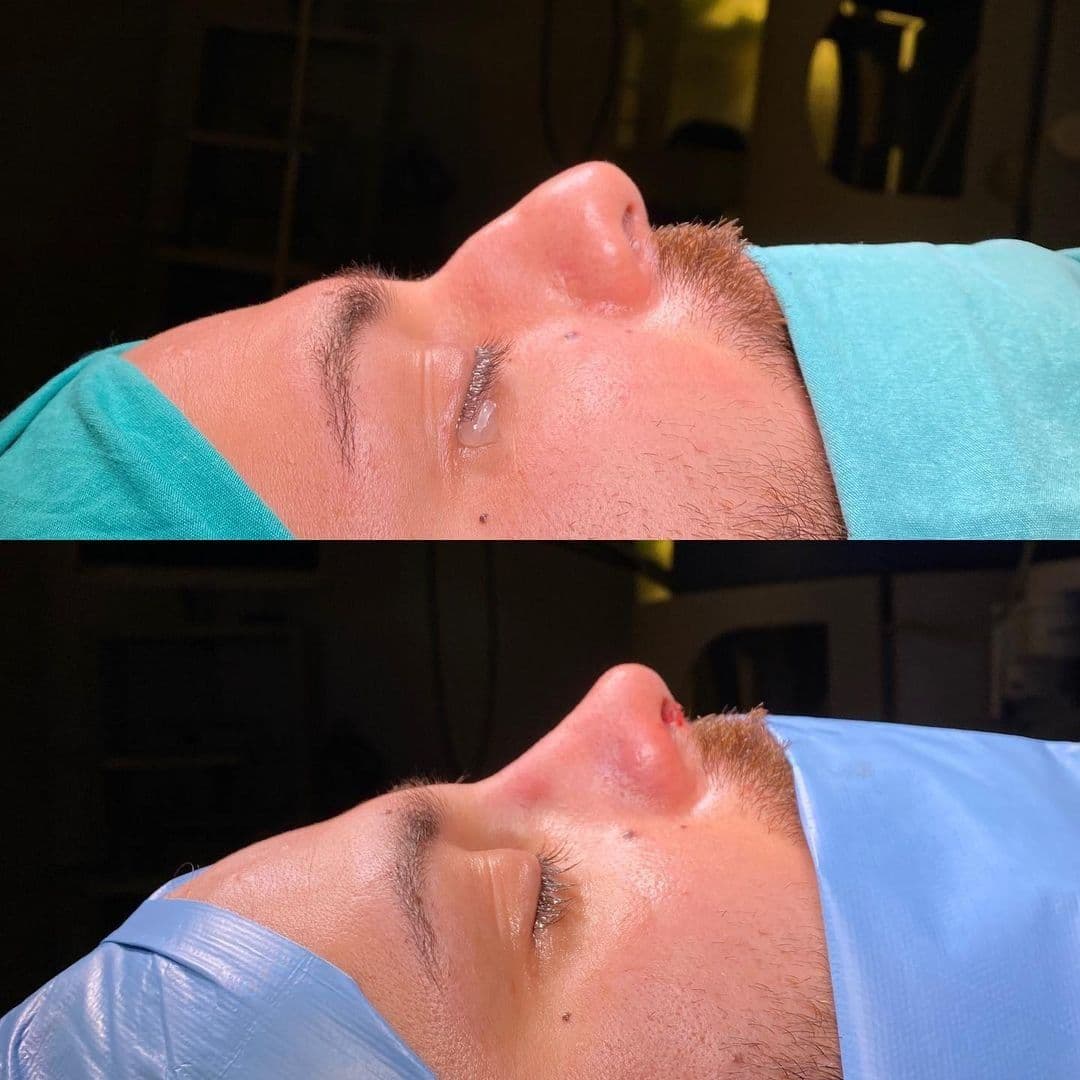
Before & After
Patient Stories
What Our Patients Say
Rhinoplasty Before and After - Estetica Istanbul
Natural Rhinoplasty Transformation
Rhinoplasty Transformation
This Is What A Perfect Profile Looks Like!
The Nose Job That Changed Everything!
Nose Goals Achieved!
Procedure Details
Duration
2–3 hours
Recovery Time
7-10 Days
Hospital Stay
1 Night
Frequently Asked Questions
How much does rhinoplasty cost in Turkey?
Rhinoplasty costs in Turkey typically range from €2,200 to €4,500 at Estetica Istanbul depending on complexity and technique. All-inclusive pricing covers surgeon, anesthesia, hospital facility, medications, and follow-up care. Revision rhinoplasty may cost more due to increased complexity.
Is rhinoplasty safe in Turkey?
Yes, rhinoplasty is safe at accredited facilities like our JCI-certified clinic performed by board-certified surgeons. Turkish rhinoplasty surgeons are internationally recognized. We maintain international safety standards, use advanced techniques, and follow rigorous infection control protocols. Complication rates are comparable to Western countries.
How long is rhinoplasty recovery?
Most patients return to light activities within one week. Splints and packing are removed after one week. Swelling significantly decreases within two weeks, though some residual swelling may persist for 3-6 months. Return to normal activities, including exercise, typically requires 3-4 weeks.
What is the difference between open and closed rhinoplasty?
Closed rhinoplasty uses incisions inside the nose, leaving no visible external scars. Open rhinoplasty uses a small incision across the columella (between nostrils) for better visualization and access. Open approach allows superior precision for complex reshaping. Our surgeons recommend the ideal approach for your specific concerns.
Will rhinoplasty leave visible scars?
Closed rhinoplasty leaves no external scars. Open rhinoplasty creates a small scar on the columella that fades dramatically over 6-12 months, often barely visible. Most people cannot detect the scar. Scar visibility depends on skin type and healing.
How long do rhinoplasty results last?
Rhinoplasty results are permanent. The reshaped nasal structure maintains its form indefinitely. Natural aging affects facial features over time, but the surgical reshaping is permanent. Revision surgery would only be needed if dissatisfied with initial results.
Can rhinoplasty improve breathing?
Yes, functional rhinoplasty corrects structural abnormalities like deviated septum or enlarged turbinates that obstruct breathing. Many patients experience improved breathing combined with improved aesthetics. Our surgeons assess both form and function.
What should I expect during rhinoplasty recovery?
First week: splint and packing, swelling and bruising, pain controlled with medication. Week 1-2: splint removal, swelling decreases significantly. Weeks 2-4: return to normal activities, most bruising fades. Months 1-6: residual swelling gradually decreases. Final results apparent after 12 months.
Related Procedures


Ready to Begin Your Transformation?
Get Your Free ConsultationPrefer email? info@esteticaistanbul.com